One of my New Year’s resolutions was to break my technology addiction and my first course of action was banning devices from my bedroom. Instead of watching something on my iPad as I fall asleep, I replaced the activity with reading (real books) and have never felt more well rested, energetic and sharp. It’s made me realized how much I’ve missed reading like I did when I was younger. Plus, I’ve read over 45 books this year!
Naturally, some of these books are about cancer. They consist of either memoirs or “how-to’s” on surviving. Below you’ll find a random, incomplete list my favorites to-date to serve as suggestions if you’re looking for inspiration.
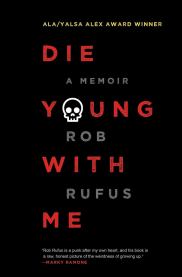 Die Young With Me by Rob Rufus. Read this if you’re a young adult impacted by cancer, lover of punk music and/or don’t subscribe to the kumbaya-ness that often accompanies illness. Personally, I’m a little partial to this story since Rufus and I both live in Nashville and are cancer surviving writers, who aren’t afraid of a few f-bombs.
When Breath Becomes Air by Paul Kalanthi. It’s sad, it’s profound, but most of all, it’s beautifully written. Read my complete review here.
Dying to Be Me by Anita Moorjani. Read this book if you believe in miracles or want to believe in miracles by a first hand experience.
 What Remains by Carole Radzwill. Another weeper, but the prose is incredible. I found this memoir of loss an example of what our caregivers endure along our side because they are often the forgotten trauma survivors.
Crazy Sexy Cancer by Kris Carr. Read this if you are a newly diagnosed woman and/or interested in means of healing through food, alternative treatments, etc. Better yet, watch the documentary or an episode of Carr on Super Soul Sunday.
 I Have Cancer and Never Felt Better by Tracy Krulik. Check this out if you’re a fellow pNET, especially if you’re about to go into surgery. I devoured this before my distal pancreatomy and it provided me with many important questions I would have not otherwise asked.
Now, this all being said, I have set up some rules for cancer reading, which may not always be a relaxing escape.
- Memoirs only before bed. Rule 1a – the person has to be alive. Rule 1b – it can’t be a section where the subject is talking about a similar trauma (chemo, nausea, etc.) Bringing those feelings and memories to the surface have no place in my bedroom.
- No cancer reads on vacation. Time away is officially a cancer-free zone in my family.
Don’t want to read about cancer? Yeah, me neither. Here are a few of my favorites:
The Namesake by Jhumpa Lahiri. This is my all-time favorite book, ever. The prose is out of this world and tells the story of an immigrant family’s struggle of retaining their culture versus assimilating to America. If you like this book, Lahiri’s Interpreter of Maladies is also worth the time. It was Lahiri’s first book and won the Pulitzer Prize if you needed any further nudging. There’s also a movie based on The Namesake, which, for the first time ever, does justice to the book.
The Moth Presents all These Wonders: True Stories About Facing the Unknown. Read my complete review here. Okay, so there are a few stories about cancer, but they are happy ones.
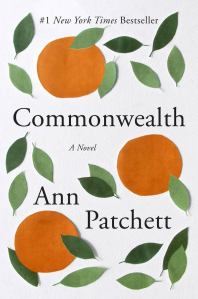 Commonwealth by Ann Patchett. God, I love Ann Patchett. She lives in Nashville and owns a bookstore I frequent. Between you and I, I sometimes hang out there just to catch a glimpse of her. I wouldn’t be surprised if she thinks I’m a stalker. I just kind of want to soak up some of her genius by breathing the same air.
Hillbilly Elegy by J.D. Vance. An interesting memoir of escaping and growing up in poor Appalachia.
Behold the Dreamers by Imbolo Mbue. A novel an African immigrant family trying to make it in New York City. While this story is fiction, I think it portrays the sacrifices and lengths that foreigners will go to to achieve the American Dream.
If you’re looking for more suggestions, check out my Goodread’s list, which has the last few years of books with ratings.
Also, my “to-read” list is primarily comprised of recommendations from others, so if you have a book that’s touched your life, please share by commenting below.
Up next in the cancer category is Radical Remission by Kelly Turner, Everyday I Fight by Stewart Scott, A Walk with Purpose by Michael Becker and The Art of Not Giving a Fuck by Sarah Knight.
Happy Reading!




 Stacie Chevrier