It seems like many people were happy to bid adieu to 2016. As for me, not even the disappointment of a surprise surgery, putting my dog to sleep and the election outcome could trump the train wreck of my 2015, so I’m going to declare the year pretty darn awesome. I travelled to the Dominican Republic, Mexico, France, Switzerland, Belgium, Holland and Spain where I walked 258 miles to fulfill a dream of completing the Camino de Santiago. In April, I preformed at the Bluebird Cafe in a production called My 2nd Act: Survivor Stories from the Stage. In July, I spent the month in Michigan completing 200 hours of yoga teacher training. Then in September, I went to California and learned to surf with fifteen other cancer survivors through an organization called First Descents. And in between all those adventures, I published several blogs, articles and wrote nearly everyday. So, yes, I’d say 2016 was not so bad.
-
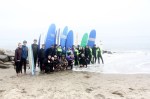
- Surfing in Santa Cruz
-

- The true end of the Camino
-

- Being touristy in Paris
-

- Christmas in Orleans
Of course, I’d like to continue and increase the adventures in 2017, so I spent some time thinking about my goals for this year. I realized setting and accomplishing SMART* goals has always come easy for me, but what I want more than anything is something not so measurable.
Somewhere around when I got an iPhone, I developed an obsession to anything connected to my device. The internet, social media, streaming TV, etc. Then while I was going through treatment my addiction intensified because I would spend my days in bed watching the iPad. Now that I’m well, I can see the addiction has gotten out of control.
What bothers me most about my problem is how it distracts me from the activities and people I truly care about. It eats at precious time I could spend writing, doing yoga, reading, hiking, running, etc. and it steals my attention from my husband, friends and surroundings. Ultimately, I hope addressing this addiction will allow me to be more fully present in my own life, which is what I want more than any check box next to a goal.
One of the many life lessons cancer taught me is the only guarantee we have is the present moment – the one we are in right now. I’ve realized in addition to my device addiction, I spend a lot of precious time reliving traumas of the past and the “what ifs” of the future.
This morning I came across a perfect passage in the book, The Artist’s Way:
“In times of pain, when the future is too terrifying to contemplate and the past too painful to remember, I have learned to pay attention to right now. The precise moment I was in was always the only safe place for me. Each moment, taken alone was always bearable. In the exact now, we are all, always, all right.”
And there it is again – being present in my life as a method for coping with trauma of the past and uncertainty of the future.
I wish you all health, wealth, strength and whatever else you need to accomplish your measurable and immeasurable goals of 2017. Also, I’d like to take this time to thank you for reading my blog. If someone you know has been affected by cancer and/or chronic illness, please feel free to share my site with them, or better yet, have them send me a message. Below you’ll find my most popular blogs from 2016:
Waiting for Hair: The Toll of Chemotherapy – The fact that this was the number one post of the year doesn’t surprise me. When I was going through hair loss, I wasn’t able to find a lot of info on what the growing out process was like. I also did a follow-up to this post, One Year of Hair After Cancer. That has been a few months and I’m happy to report I have a ton of hair. It’s in a bit of an awkward stage right now, but whatevs, I’m happy to have hair.
Living Universal Truths on My Cancerversary – I really love this post and the seven universal truths.
Cancer Camp – Details on my week surfing with First Descents, an organization that takes young, adult cancer survivors on adventure trips.
*Specific Measurable Achievable Realistic Time-Based


 Before getting into the major takeaways, it should be acknowledged from a writing standpoint, Dr. Kalanithi “spun gold”. He strung his story together with complexity, elegance and creativity and it’s no doubt he found his true callings by being both a writer and a doctor.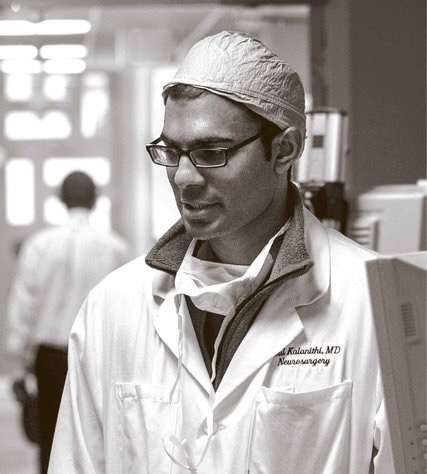
 Stacie Chevrier